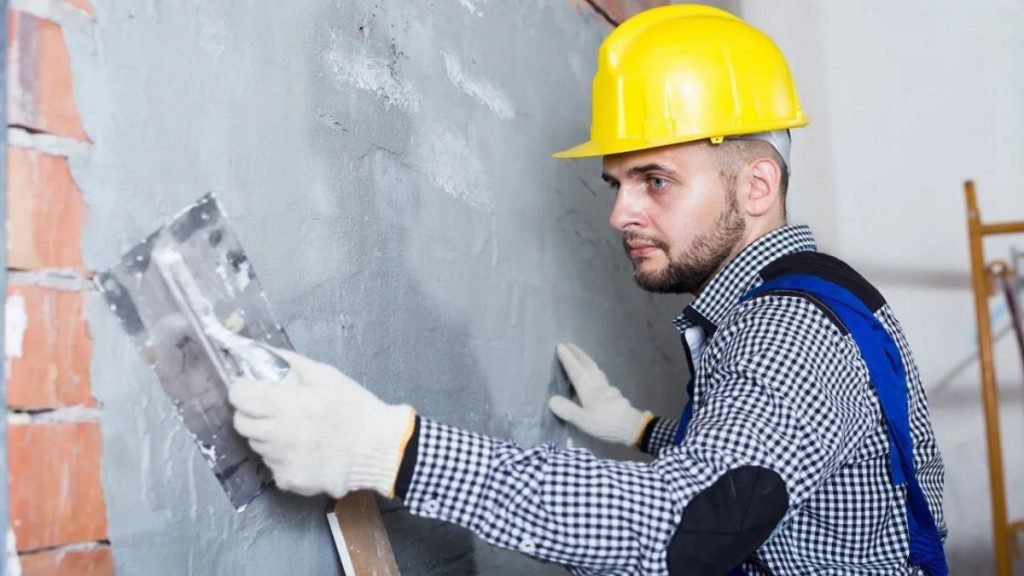
Plasters: Types & Costs Interior plasters (walls/ceilings) Gypsum plaster (powder) – standard interior Best for: Dry rooms. Pros: Smooth, fast set, easy sanding. Cons: Not for damp. Cost vs baseline…
Finishing Putty: Types & Uses Main types Gypsum-based (powder, interior) Classic white skim for walls/ceilings in dry rooms. Sets fast, sands easily, very smooth. Polymer/Acrylic ready-mix (interior; some multi-zone) Pastes…
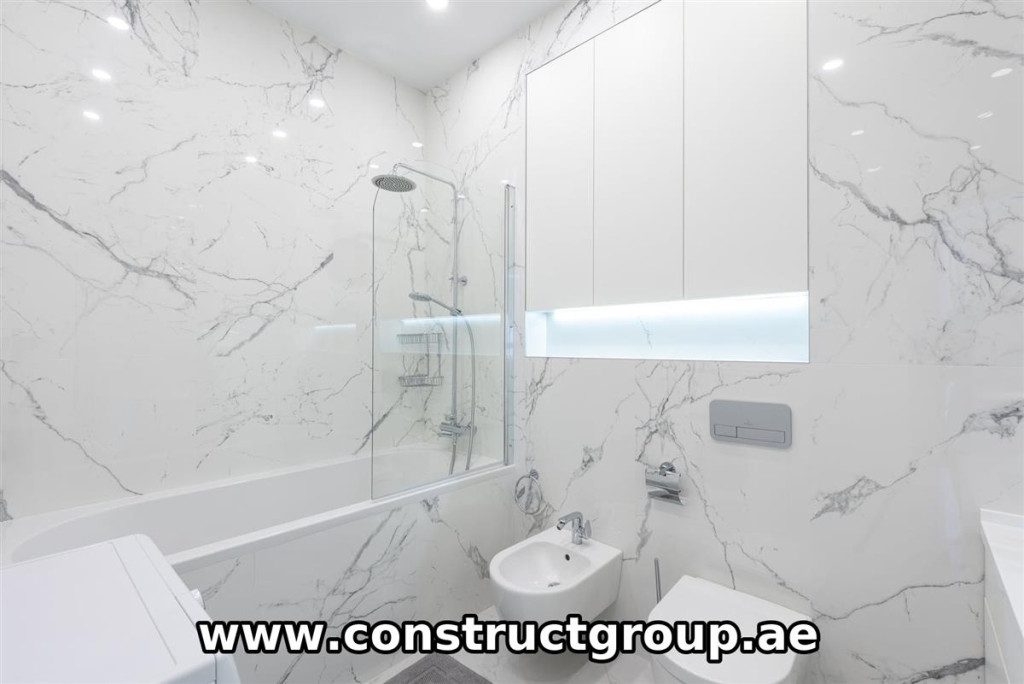
Marble vs Granite vs Travertine What they are Marble: Metamorphic stone with veining (calcite/dolomite). Lux, softer, acid-sensitive. Granite: Igneous stone (quartz/feldspar). Very hard, dense, stain/heat resistant. Travertine: Porous limestone with…
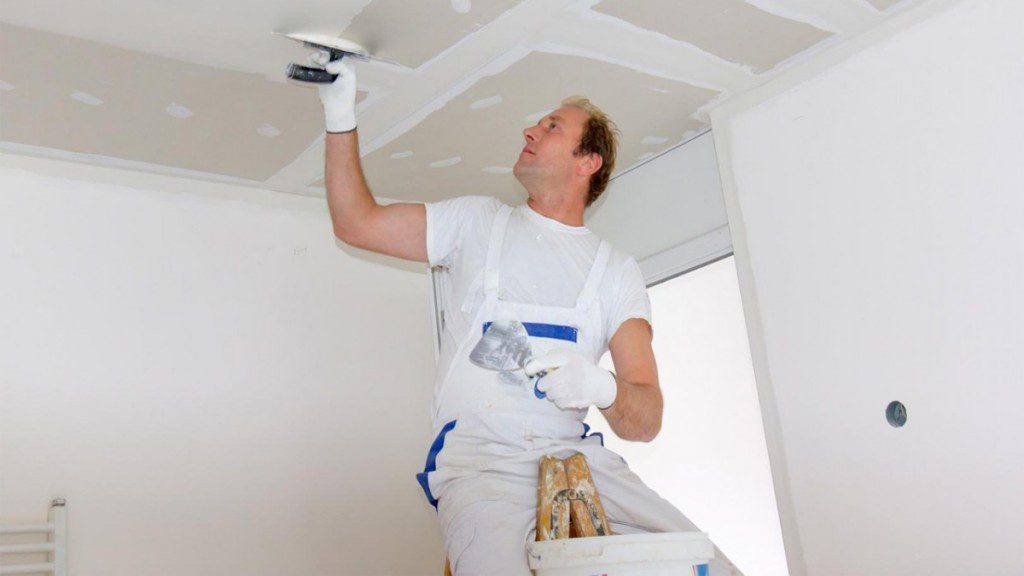
Drywall Partitions vs. Masonry Walls (AAC/Brick) One-line title (under image) Drywall vs Masonry Walls What they are Drywall partitions (stud + gypsum board): Non–load-bearing framed walls (metal/wood studs) with gypsum…
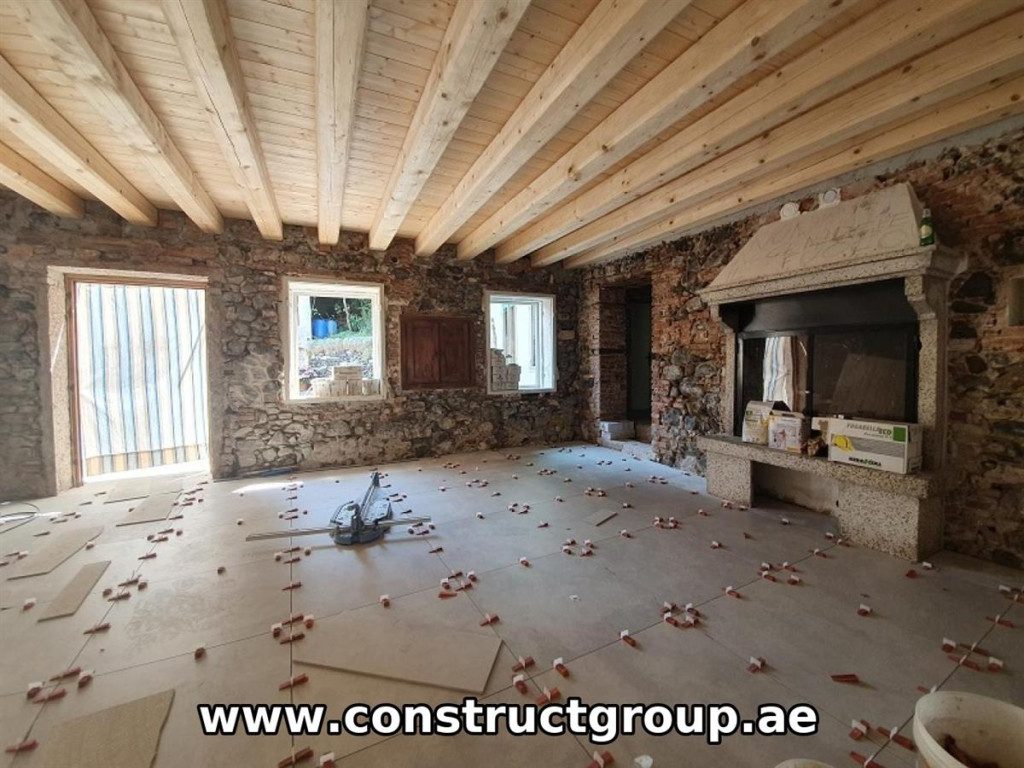
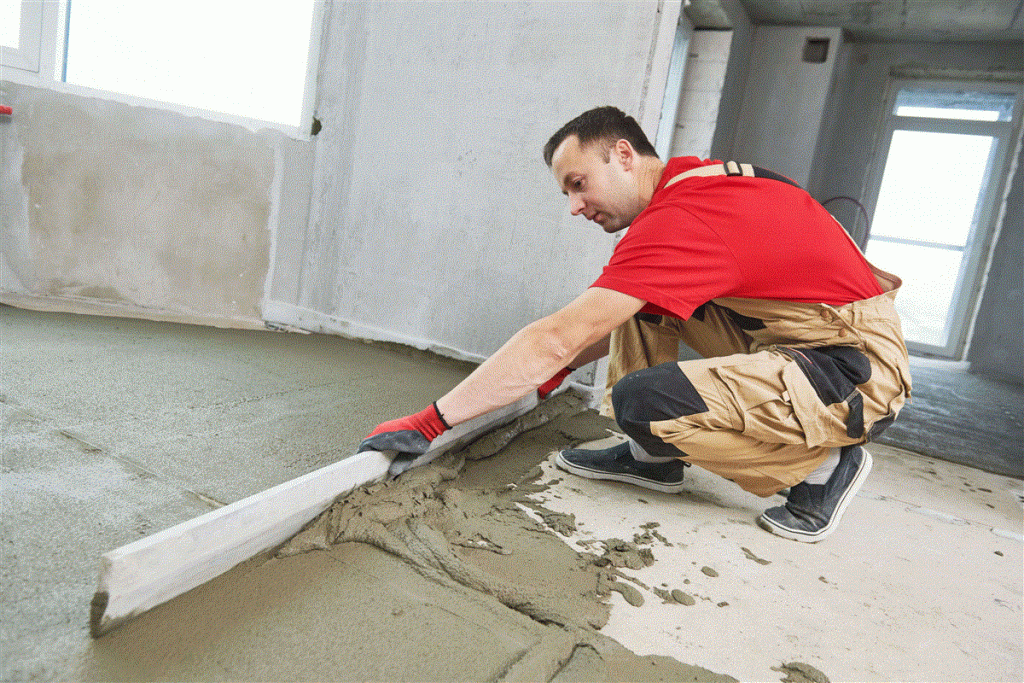
Leveling Screed vs Self-Leveling What they are Leveling Screed (traditional/ bonded or unbonded/semi-dry) A cement-based screed installed by hand or pumped, compacted and ruled flat. Builds thickness and creates a…
Wall Acoustic Insulation: Benefits What it does Reduces sound transfer through walls by combining mass, decoupling, absorption, and airtight sealing—measured with ratings like STC/Rw (higher = better isolation). Key benefits…
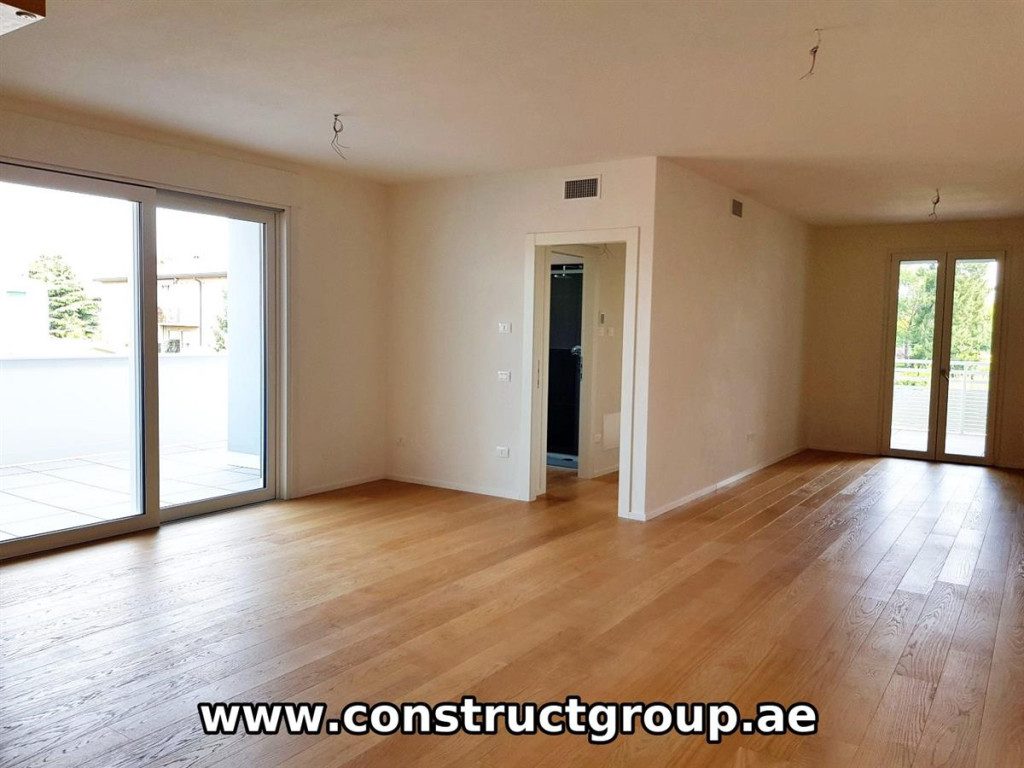
Wood Floors: Solid vs Engineered vs Laminate vs LVT Quick take Solid wood: premium, refinishable many times; sensitive to moisture. Engineered wood: real wood surface, stable over UFH; limited refinish…